
Why Successful People Are Swapping Coffee for Matcha." Share a recipe for a "Sugar-Free Vanilla Matc
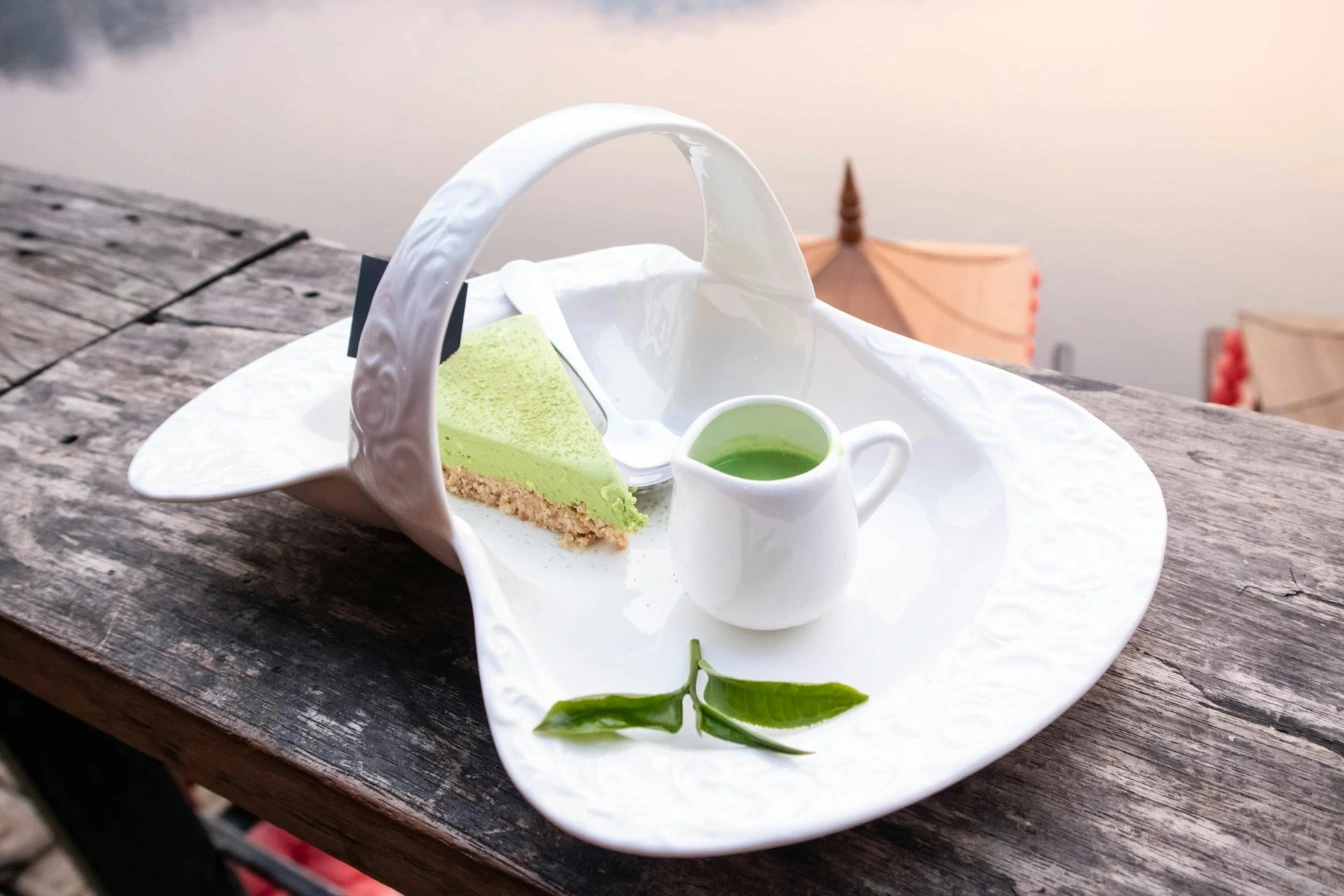
A growing trend among high achievers is ditching their morning coffee for a more energizing and healthier alternative: Matcha Latte. With its rich antioxidant profile and sustained energy release, it's no wonder that successful individuals are making the switch.
The benefits of sugar-free vanilla matcha latte extend beyond just a energy boost; it also supports mental clarity and a calm focus, making it an ideal beverage for those with demanding careers.
As the world's top performers turn to this green tea variant, we're excited to share a simple recipe for a Sugar-Free Vanilla Matcha Latte, perfect for kick-starting your day with a blend of taste and wellness.
Key Takeaways
- Discover the benefits of switching from coffee to Matcha Latte.
- Learn how to make a delicious Sugar-Free Vanilla Matcha Latte.
- Understand the advantages of matcha for mental clarity and energy.
- Explore why successful people prefer (modern coffee alternatives).
- Find out how to incorporate this healthy drink into your daily routine.
The Green Revolution in Your Cup
As the world wakes up to a new kind of green, matcha is revolutionizing our daily cups. The traditional Japanese beverage is not just a drink; it's an experience that combines rich flavor, cultural heritage, and numerous health benefits. Matcha's unique preparation and consumption method sets it apart from other types of tea.
What Makes Matcha Different from Regular Green Tea
Unlike regular green tea, where leaves are steeped and then discarded, matcha involves consuming the entire leaf in powdered form. This means you're getting more nutrients and antioxidants. As Dr. Mark Hyman once said, "Matcha is a nutritional powerhouse." The process of grinding the leaves into a fine powder also releases a more subtle, umami flavor that many find irresistible.
The Ancient Japanese Tradition Now Trending Worldwide
Matcha has its roots in ancient Japanese tea ceremonies, where it was revered for its spiritual and medicinal properties. Today, it's trending globally, not just among health enthusiasts but also among celebrities and entrepreneurs.
"Matcha is more than just a drink; it's a ritual that connects us to nature and to ourselves."
The global matcha trend is driven by its versatility, from lattes to smoothies, and its potential health benefits, making it a staple in modern wellness culture.
Coffee Burnout: Why the Elite are Making the Switch
Coffee burnout is real, and the elite are switching to matcha for a healthier energy boost. As the world's most successful individuals seek a sustainable alternative to coffee, matcha is emerging as the top choice.
The Downside of Coffee Culture
Coffee culture, once revered for its stimulating effects, has a dark side. The jitters, anxiety, and inevitable crash that follow a caffeine high can be detrimental to productivity. As entrepreneur and author, Tim Ferriss, notes, "Caffeine can be a double-edged sword; it can enhance focus, but also lead to debilitating crashes."
The relentless pursuit of caffeine can lead to burnout, affecting not only performance but also overall well-being. Matcha, on the other hand, offers a smooth, sustained energy boost without the negative side effects.
Celebrity Endorsements and Silicon Valley's New Obsession
Celebrities and Silicon Valley executives are among those who have made the switch to matcha.
"I've replaced my morning coffee with matcha, and it's been a game-changer for my energy and focus."
- saysOprah Winfrey, media mogul and wellness enthusiast.
As the elite continue to rave about matcha's benefits, it's clear that this ancient Japanese beverage is more than just a trend. With its unique blend of L-theanine and caffeine, matcha provides the perfect duo for sustained energy and mental clarity. As the modern world's (modern alternative to coffee), matcha is poised to become the new standard for high performers.
The Science Behind Matcha's Steady Energy Boost
The science behind matcha's energy-boosting properties lies in its perfect blend of L-theanine and caffeine. This unique combination is what sets matcha apart from other energy-boosting beverages like coffee.
L-Theanine and Caffeine: The Perfect Duo
Matcha contains a significant amount of L-theanine, an amino acid that promotes relaxation and reduces stress levels. When combined with caffeine, L-theanine helps to create a balanced energy boost that is both sustained and calm. This synergy prevents the jitters and anxiety often associated with caffeine consumption alone.
The L-theanine and caffeine duo works by slowing down the release of caffeine, providing a more stable and prolonged energy boost. This means that matcha drinkers can enjoy enhanced focus and productivity without the crash that typically follows caffeine intake.
No More Afternoon Crashes: Sustained Focus Without Jitters
One of the primary benefits of matcha's energy boost is its ability to sustain focus over extended periods. The combination of L-theanine and caffeine ensures that the energy released is both gradual and sustained, eliminating the need for frequent caffeine fixes.
By incorporating matcha into their daily routine, individuals can experience improved concentration and mental clarity, making it an ideal beverage for those seeking to enhance their productivity and performance.
Nutritional Powerhouse: Matcha's Impressive Health Profile
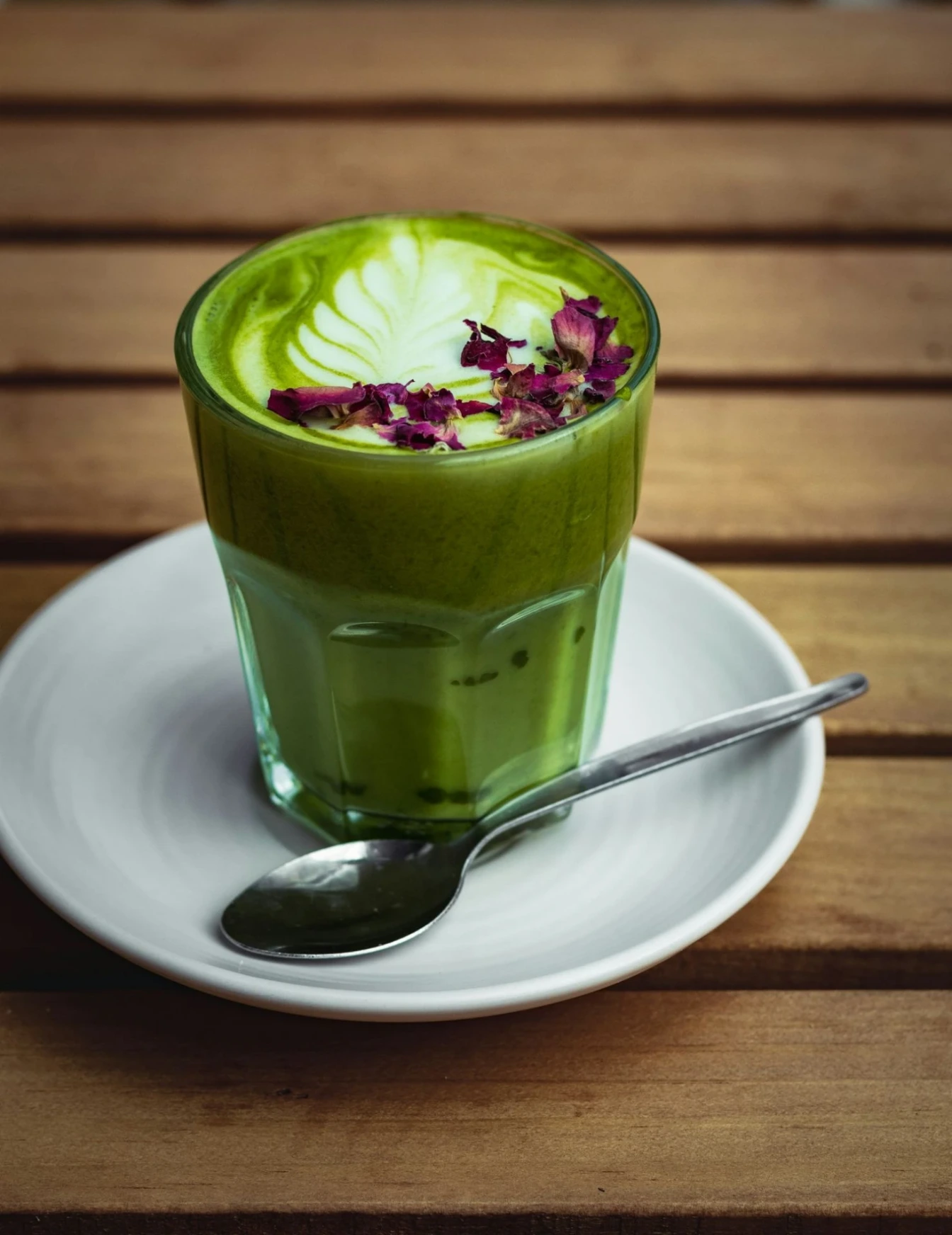
With its high concentration of beneficial compounds, matcha stands out as a nutritional powerhouse. Matcha, the finely ground green tea powder, has been a staple in Japanese culture for centuries, revered not only for its unique flavor but also for its numerous health benefits. The process of consuming matcha involves ingesting the entire leaf, which distinguishes it from brewed green tea and amplifies its nutritional profile.
Antioxidant Content: 137 Times More Than Regular Green Tea
One of the most significant advantages of matcha is its exceptionally high antioxidant content. Matcha contains 137 times more antioxidants than regular green tea, making it one of the richest sources of these beneficial compounds. Antioxidants play a crucial role in protecting the body against free radicals, which can cause cell damage and contribute to aging and diseases. The high antioxidant level in matcha is attributed to the shade-grown process, which increases chlorophyll and other beneficial compounds.
Metabolism Boosting and Detoxifying Properties
Matcha is also renowned for its metabolism-boosting and detoxifying properties. The catechins in matcha, particularly EGCG, have been shown to enhance metabolism and aid in weight loss. Additionally, matcha's high chlorophyll content helps in detoxifying the body by removing heavy metals and other toxins. This combination of metabolism boosting and detoxifying effects makes matcha a popular choice among those seeking to improve their overall health and wellbeing.
| Nutritional Component | Matcha Benefits |
|---|---|
| Antioxidants | Protects against cell damage and aging |
| Catechins (EGCG) | Boosts metabolism and aids in weight loss |
| Chlorophyll | Detoxifies the body by removing heavy metals |
The Productivity Connection: How Matcha Enhances Work Performance
In the quest for sustained success, many are swapping their morning coffee for a matcha latte, citing improved concentration and mental clarity. Matcha, the finely ground green tea powder, has been gaining popularity among high achievers for its ability to enhance work performance. But what makes it so effective?
Improved Concentration and Mental Clarity
Matcha contains a unique combination of L-theanine and caffeine, which work together to provide a sustained energy boost without the jitters. This perfect duo enhances concentration and mental clarity, allowing individuals to stay focused on complex tasks for longer periods. As a result, professionals can tackle challenging projects with increased precision and accuracy.
Stress Reduction for Better Decision Making
The L-theanine in matcha also plays a crucial role in reducing stress levels, promoting a state of calm and clarity. This enables individuals to make better decisions, unencumbered by the cloud of anxiety that often accompanies high-pressure work environments. By incorporating matcha into their daily routine, professionals can cultivate a clearer mind, leading to more effective problem-solving and decision-making.
With its impressive productivity benefits, it's no wonder that matcha is becoming a staple in the daily routines of successful individuals. Whether you're looking to enhance your focus, reduce stress, or simply upgrade your morning routine with a healthy beverage like لاتيه نباتي (plant-based latte), matcha is an excellent choice for those seeking a mental clarity boost and a productive day.
Morning Ritual: Incorporating Matcha Into Your Success Routine
The ritual of preparing matcha can be a meditative practice that sets the tone for the day. By incorporating matcha into your morning routine, you can enhance your mental clarity and boost your energy levels.
Mindful Preparation as Meditation
Preparing matcha is not just about making a drink; it's an experience that combines mindfulness and sensory delight. The process involves carefully measuring the matcha powder, whisking it in a specific motion, and savoring the aroma and taste. This mindful preparation can be a form of meditation, helping you transition into a focused state of mind.
"The preparation of matcha is a ritual that requires patience, attention to detail, and a calm mind." By embracing this ritual, you can start your day with a clear and focused mind, ready to tackle challenges.
Timing Your Matcha for Optimal Performance
The timing of your matcha consumption can significantly impact its benefits. Drinking matcha at the right moment can enhance its energizing and focusing effects.
| Timing | Benefits |
|---|---|
| Upon waking | Boosts metabolism and energy |
| Pre-workout | Enhances endurance and focus |
| Mid-morning | Provides a sustained energy boost |
Experiment with different timings to find what works best for your schedule and needs. Incorporating matcha into your morning routine can be a powerful way to enhance your productivity and set yourself up for success.
Choosing Quality Matcha: What to Look For
The world of matcha is vast, but choosing a high-quality product is simpler when you know what to look for. With the increasing popularity of matcha, the market has seen a surge in various products, making it crucial to understand the factors that distinguish premium matcha from the rest.
Quality matcha is not just about the taste; it's also about the nutritional benefits and the overall experience. Whether you're a seasoned matcha enthusiast or a newcomer, knowing how to select the best matcha can elevate your daily ritual.
Ceremonial vs. Culinary Grade: Understanding the Difference
Ceremonial grade matcha is considered the highest quality and is traditionally used in Japanese tea ceremonies. It is characterized by its vibrant green color, fine texture, and subtle flavor profile. On the other hand, culinary grade matcha is more robust and often used in cooking and baking. While it may not have the same delicate taste as ceremonial grade, it still offers the nutritional benefits of matcha.
When deciding between ceremonial and culinary grade, consider your intended use. For drinking straight, ceremonial grade is preferred, while culinary grade is better suited for recipes.
Sourcing Tips: Origins, Color, and Price Points
When sourcing matcha, several factors come into play. The origin is crucial, with regions like Uji in Japan being renowned for their high-quality matcha. The color should be a vibrant green, indicating freshness and high chlorophyll content. Price is also a consideration, with premium matcha commanding higher prices due to the quality of the leaves and the production process.
| Origin | Color | Price Range | Grade |
|---|---|---|---|
| Uji, Japan | Vibrant Green | $20-$50 per 100g | Ceremonial |
| Other regions | Duller Green | $10-$30 per 100g | Culinary |
By considering these factors, you can make an informed decision when selecting matcha, ensuring that you get the best product for your needs.
Essential Tools for the Perfect Matcha Latte
The art of making a great matcha latte starts with the right tools. Whether you're a traditionalist or a modernist, having the correct equipment can elevate your matcha experience. In this section, we'll explore the essential tools needed for both traditional and modern matcha latte preparation.
Traditional vs. Modern Preparation Methods
Traditional Japanese matcha preparation is a revered ceremony that involves specific tools and techniques. The traditional method uses a chawan (matcha bowl), chasen (bamboo whisk), and chashaku (bamboo scoop). In contrast, modern preparation often incorporates electric frothers and blenders for a quicker, more convenient matcha latte.
While traditional methods offer a meditative and authentic experience, modern tools can simplify the process without compromising on quality. Many enthusiasts enjoy blending both approaches to suit their lifestyle.
Must-Have Equipment for Your Matcha Station
To create the perfect matcha latte, you'll need the following essential tools:
- High-quality matcha powder: The foundation of a great matcha latte.
- Bamboo whisk (chasen): For traditional matcha preparation, a chasen is indispensable.
- Matcha bowl (chawan): A wide, deep bowl that allows for effective whisking.
- Electric frother or milk frother: For creating creamy, velvety lattes.
- Thermometer: To ensure the optimal water temperature.
- Scale: For precise measurement of matcha and milk.
Investing in these tools will help you craft matcha lattes that are both delicious and visually appealing. Whether you're a matcha aficionado or just starting your journey, having the right equipment is key to unlocking the full potential of your matcha experience.
The Ultimate Matcha Latte: Basic Preparation Technique
The journey to a flawless matcha latte begins with understanding its basic preparation technique. To create this beloved beverage, one must pay attention to detail and adhere to traditional methods that have been refined over centuries.
Mastering the Whisking Method
The whisking method is crucial in preparing a matcha latte. It involves using a bamboo whisk, known as a chasen, to froth the matcha. To master this technique, one should:
- Hold the whisk vertically and move it in a zig-zag motion.
- Start with slow, gentle movements to avoid splashing.
- Gradually increase the speed to create a smooth, creamy froth.
As noted by matcha experts, "The quality of the whisk and the technique used can significantly impact the final texture of the matcha latte." A good whisking technique is essential for a smooth and enjoyable matcha experience.
Temperature Considerations for Maximum Flavor
Temperature plays a vital role in the preparation of matcha latte. The ideal temperature for preparing matcha is between 160°F and 170°F. Using water that is too hot can result in a bitter taste, while water that is too cold may not adequately extract the flavors.
| Temperature Range | Effect on Matcha |
|---|---|
| Too Hot (>170°F) | Bitterness and loss of subtle flavors |
| Ideal (160°F - 170°F) | Balanced flavor and optimal extraction |
| Too Cold ( | Inadequate extraction and weak flavor |
By mastering the whisking method and paying attention to temperature considerations, one can create a truly exceptional matcha latte that rivals those found in specialty cafes.
"The art of matcha preparation is not just about the ingredients, but about the mindfulness and care taken during the process." - Matcha Master
Sugar-Free Vanilla Matcha Latte: Step-by-Step Recipe
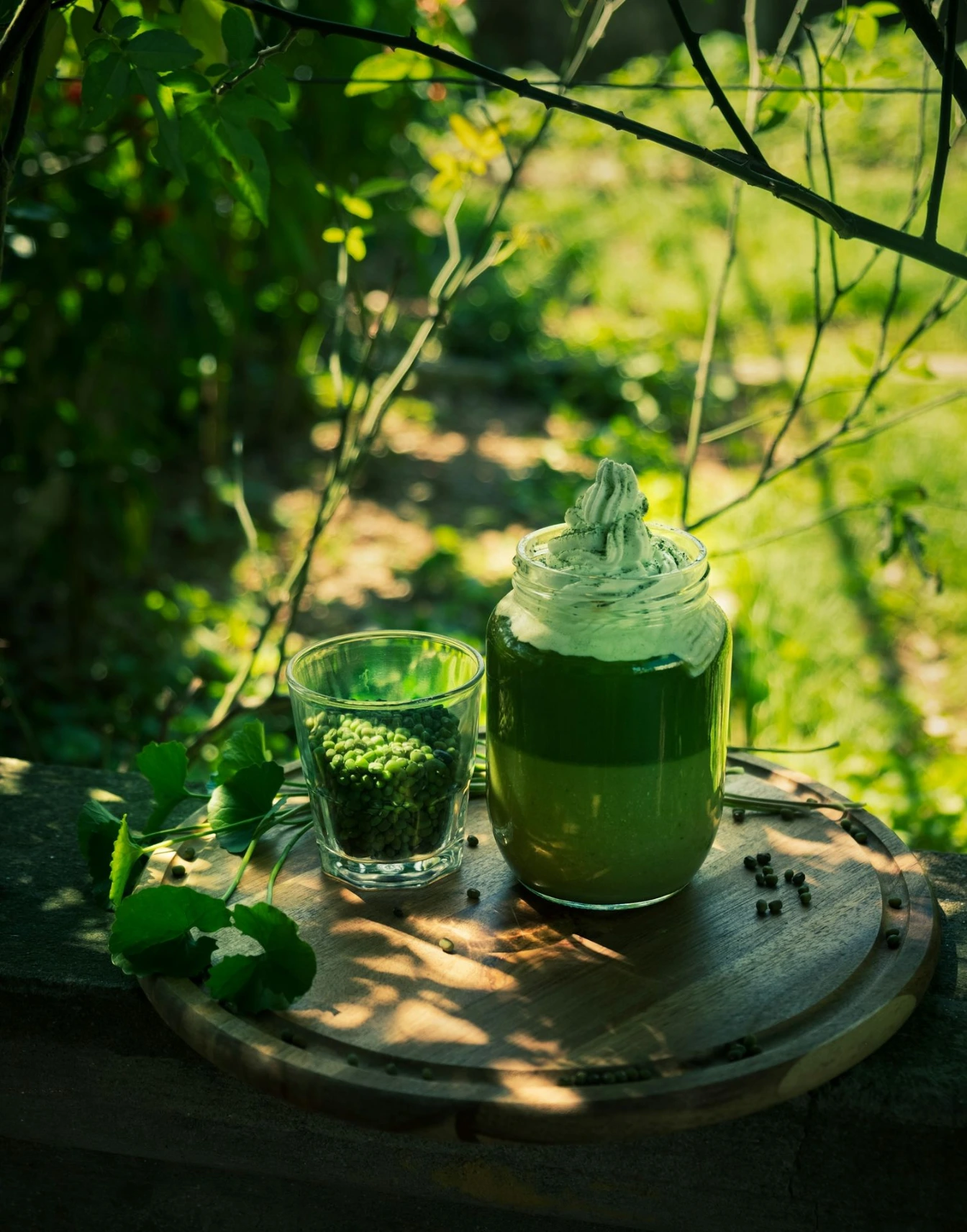
Elevate your morning routine with a delicious Sugar-Free Vanilla Matcha Latte, a perfect blend of health and taste. This refreshing drink combines the energizing properties of matcha with the sweetness of vanilla, all without the sugar crash.
Ingredients List and Nutritional Information
To make this delightful latte, you'll need the following ingredients:
Matcha Powder Selection
Choose a high-quality, ceremonial-grade matcha powder for the best flavor.
Plant-Based Milk Options
Almond milk, coconut milk, or oat milk work well in this recipe.
Natural Vanilla Flavoring
Use a few drops of pure vanilla extract or a vanilla-flavored syrup that's sugar-free.
Sugar-Free Sweetener Choices
Opt for stevia, monk fruit sweetener, or erythritol to keep your latte sugar-free.
| Ingredient | Amount | Calories |
|---|---|---|
| Matcha Powder | 1 tsp | 0 |
| Plant-Based Milk | 1 cup | 30-60 |
| Vanilla Extract | 2-3 drops | 0 |
| Sugar-Free Sweetener | To taste | 0 |
Preparation Instructions
Step 1: Preparing Your Matcha Base
Whisk 1 teaspoon of matcha powder with 2 oz of hot water until frothy.
Step 2: Heating and Frothing Your Milk
Heat your chosen plant-based milk and froth it using a milk frother or a whisk.
Step 3: Adding Vanilla and Sweetener
Add 2-3 drops of vanilla extract and your preferred sugar-free sweetener to taste.
Step 4: Combining and Serving
Pour the frothed milk over the matcha base and serve immediately.
Step 5: Optional Garnishes
Garnish with a sprinkle of matcha powder or a few vanilla beans for added elegance.
Variations and Customization Options
Feel free to experiment with different flavors and sweeteners to create your perfect matcha latte. Try adding a pinch of cinnamon or nutmeg for a unique twist.
Why Successful CEOs Prefer Matcha Latte Over Coffee
In a surprising trend, top CEOs are ditching coffee for matcha latte, citing improved focus and productivity. The reasons behind this shift are multifaceted, ranging from matcha's unique nutritional profile to its ability to provide sustained energy without the jitters associated with coffee.
Matcha's growing popularity among CEOs can be attributed to its rich nutritional content and distinct cognitive benefits. Unlike coffee, matcha provides a steady release of caffeine, coupled with L-theanine, which promotes a state of calm focus.
Case Studies: Executive Performance on Matcha
Several high-profile CEOs have publicly endorsed matcha as a key component of their daily routine. For instance, a study cited by a leading business magazine found that executives who consumed matcha before important meetings demonstrated:
- Improved decision-making capabilities
- Enhanced creativity
- Better stress management
These benefits are not anecdotal; they are backed by research into matcha's effects on cognitive function and emotional well-being.
The Competitive Edge: Clarity Without Anxiety
In today's fast-paced business environment, the ability to remain calm under pressure is a significant competitive advantage. Matcha latte offers CEOs this edge by providing a unique blend of stimulation and relaxation. The L-theanine in matcha promotes alpha-wave activity in the brain, inducing a state of relaxed focus that is ideal for strategic thinking and problem-solving.
By incorporating matcha latte into their daily routine, CEOs can experience sustained productivity and improved mental clarity, giving them a critical edge in their respective industries.
Plant-Based Milk Options for Your Matcha Latte
With the growing demand for dairy-free options, choosing the right plant-based milk for your matcha latte has become a crucial decision. The variety of milks available can significantly impact the flavor and texture of your matcha experience.
The Impact of Milk on Flavor and Texture
Different plant-based milks can either complement or overpower the delicate taste of matcha. For instance, almond milk is a popular choice due to its light, refreshing flavor that doesn't overwhelm the matcha. On the other hand, coconut milk adds a rich, creamy texture but can introduce a distinct flavor that some may find overpowering.
Top Dairy-Free Milks for a Creamy Matcha Latte
For those seeking a creamy matcha latte without dairy, several options stand out. Here's a comparison of popular choices:
| Milk Type | Flavor Profile | Texture |
|---|---|---|
| Oat Milk | Neutral, slightly sweet | Creamy |
| I am Milk | Slightly nutty | Smooth |
| Coconut Milk | Rich, coconut flavor | Very creamy |
| Almond Milk | Light, nutty | Thin |
By choosing the right plant-based milk, you can enhance your matcha latte experience, tailoring it to your taste preferences.
Natural Sweeteners That Won't Spike Your Blood Sugar
The growing demand for healthier sweetening options has sparked interest in natural sweeteners that don't spike blood sugar levels. As individuals become more health-conscious, the quest for alternatives to traditional sugar has led to the discovery of various natural sweeteners.
Monk Fruit, Stevia, and Other Zero-Glycemic Options
Among the most popular natural sweeteners are monk fruit and stevia. Monk fruit, derived from a type of melon, is known for its sweetness without the calories. Stevia, on the other hand, is a plant-based sweetener that is calorie-free and doesn't raise blood sugar levels. Other zero-glycemic options include yacon syrup and erythritol, which offer sweetness without the glycemic impact.
As noted by health experts, "Natural sweeteners like monk fruit and stevia are revolutionizing the way we sweeten our foods and beverages without compromising on health."
"The beauty of natural sweeteners lies in their ability to provide sweetness without the negative health impacts associated with traditional sugar."
Flavor Enhancers That Complement Matcha's Profile
When it comes to enhancing the flavor of matcha, certain natural sweeteners and flavor enhancers can complement its profile. For instance, vanilla and cinnamon are popular choices for adding depth to matcha lattes. The key is to find a balance that enhances the matcha flavor without overpowering it.
Experimenting with different combinations can lead to unique and delicious flavor profiles. As matcha continues to gain popularity, the exploration of natural sweeteners and flavor enhancers that complement its taste is on the rise.
Seasonal Matcha Latte Variations for Year-Round Enjoyment
Whether you're looking for a summer refresher or a warming winter drink, matcha lattes offer endless possibilities. The versatility of matcha allows for a variety of seasonal twists, making it a drink that can be enjoyed throughout the year.
As we transition between seasons, our preferences for flavors and temperatures change. Matcha lattes can be adapted to suit these changing tastes, ensuring that this beloved drink remains a staple in your daily routine.
Summer Refreshers: Iced and Frozen Options
During the warmer months, iced and frozen matcha lattes become the perfect refreshers. By simply pouring matcha over ice or blending it with frozen ingredients, you can create a cool and invigorating drink.
Iced Matcha Latte Recipe:
- 1 teaspoon of matcha powder
- 1 cup of ice
- 1/2 cup of your preferred milk
- 1 tablespoon of sugar or sweetener (optional)
For a frozen treat, blend the ingredients until smooth and enjoy as a frozen matcha latte.
Warming Winter Spice Combinations
In the colder seasons, warming spices can be added to your matcha latte for an extra layer of comfort. Spices like cinnamon, nutmeg, and ginger not only add flavor but also provide additional health benefits.
| Spice | Benefits | Recommended Amount |
|---|---|---|
| Cinnamon | Anti-inflammatory properties | 1/4 teaspoon |
| Nutmeg | Aids digestion | 1/8 teaspoon |
| Ginger | Soothes the stomach | 1/4 teaspoon (grated) |
Experiment with different spice combinations to find your perfect winter warmer.
Troubleshooting Common Matcha Latte Problems
The pursuit of a flawless matcha latte is a journey, and troubleshooting is a crucial step along the way. Even with high-quality ingredients and a good recipe, issues can arise that affect the taste and texture of your matcha latte. Understanding how to address these common problems can elevate your matcha experience and ensure consistency.
Eliminating Clumps and Achieving Smooth Texture
One of the most common issues with matcha lattes is the presence of clumps, which can result from improper mixing or whisking techniques. To achieve a smooth texture, it's essential to use the right tools and methods. First, ensure you're using a fine-quality matcha powder that is designed to dissolve well in liquids. When preparing your matcha, whisk in a zig-zag motion rather than in a circular motion to introduce air and break down any clumps effectively. Additionally, using a milk frother or blender can help to emulsify the matcha and milk, creating a creamy and smooth texture.
Fixing Bitter or Grassy Flavor Notes
Bitter or grassy flavors in matcha can be off-putting, but there are several strategies to adjust the flavor profile. First, consider the quality and source of your matcha; high-quality, ceremonial-grade matcha tends to have a smoother, less bitter taste. Adjusting the water temperature is also crucial; using water that's too hot can extract more bitterness from the matcha. Aim for a temperature between 160°F and 170°F. Additionally, balancing the flavor with the right type of milk or natural sweeteners can counteract undesirable notes, creating a more enjoyable matcha latte experience.
The Matcha Lifestyle: Embracing the Path to Sustained Success
Embracing the matcha lifestyle is more than just a beverage choice; it's a path to sustained success. By incorporating matcha into your daily routine, you're not only upgrading your (healthy drinks) but also enhancing your overall well-being. The (matcha latte benefits) are numerous, from improved concentration to a metabolism boost.
As you've discovered throughout this article, the matcha lifestyle offers a holistic approach to achieving sustained success. By making matcha a part of your daily ritual, you'll experience a significant shift in your productivity, mental clarity, and overall health. Whether you're a busy professional or an entrepreneur, the matcha lifestyle can help you stay focused and energized throughout the day.
So, take the first step towards embracing the matcha lifestyle and discover the benefits of sustained success. With its rich nutritional profile and delicious taste, matcha is the perfect addition to your daily routine. Start your journey today and experience the transformative power of matcha for yourself.
FAQ
What is matcha and how is it different from regular green tea?
Matcha is a finely ground powder of green tea leaves, unlike regular green tea where leaves are steeped. Matcha is consumed in its entirety, providing a more concentrated dose of antioxidants and nutrients.
What are the benefits of consuming matcha over coffee?
Matcha provides a sustained energy boost due to its unique combination of L-theanine and caffeine, unlike coffee which can cause jitters and crashes. Matcha is also rich in antioxidants and has been linked to improved mental clarity and reduced stress.
How do I choose high-quality matcha?
Look for ceremonial or premium grade matcha, which is typically sourced from Japan, has a vibrant green color, and is priced accordingly. Be wary of matcha that is too cheap or has a dull color, as it may be of lower quality.
What is the best way to prepare a matcha latte?
To prepare a matcha latte, whisk matcha powder with hot water using a bamboo whisk or electric frother, then combine with steamed milk and any desired sweeteners or flavorings.
Can I use any type of milk for my matcha latte?
While traditional matcha is made with water, you can use various plant-based milks such as almond, coconut, or oat milk to create a creamy and delicious latte. The type of milk used can affect the flavor and texture.
How can I sweeten my matcha latte without spiking my blood sugar?
Use natural sweeteners like monk fruit, stevia, or honey to add sweetness without raising blood sugar levels. You can also experiment with flavor enhancers like vanilla or cinnamon to complement matcha's profile.
What are some common issues when making matcha lattes and how can I troubleshoot them?
Common issues include clumps, bitter flavor, or grassy notes. To resolve these, ensure you're using the right ratio of matcha to water, whisking thoroughly, and using high-quality matcha. Adjusting the temperature and ratio of milk to matcha can also help.
Can I make matcha lattes in advance or should I prepare them fresh every time?
While matcha is best consumed fresh, you can prepare matcha powder mixtures or latte ingredients in advance. However, it's recommended to whisk and combine the ingredients just before consumption for optimal flavor and texture.
Are there any seasonal variations of matcha lattes I can try?
Yes, you can create seasonal variations by incorporating different flavorings, spices, or milks. For example, try adding cinnamon and nutmeg in winter or refreshing iced matcha in summer.
How can incorporating matcha into my daily routine enhance my success?
Matcha's unique combination of L-theanine and caffeine can improve focus, mental clarity, and reduce stress, making it an ideal addition to a daily routine for those seeking sustained success.